Download the free "5 MUST KNOW AB EXERCISES"
- Follow-along Workout Plan Included
- Start Burning Fat and Tone Up

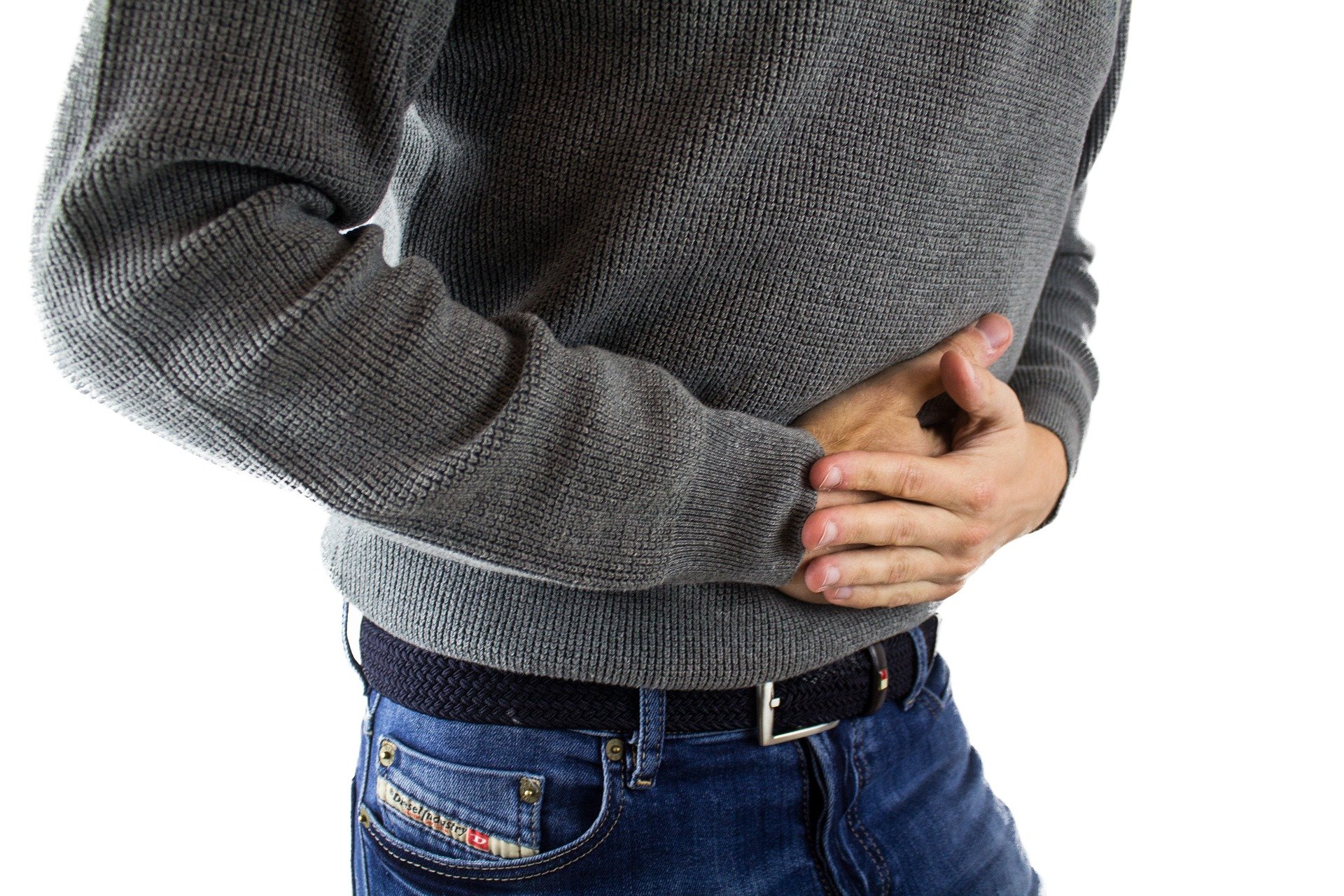
The media has a lot of advertising about probiotics and gut health. Even though the commercials tout it, is all the hype true? People in Totowa, NJ, want a simple guide that tells whether probiotics are beneficial for gut health and if any of these products work or are they just another way to take your money? Here are some facts to help you decide whether to choose OTC health supplements.
Your body has trillions of cells and trillions of microbes. The exact number and ratio are yet unknown. Some studies show that the ratio of microbes to human cells is 1.3 to 1. Other studies say there are far more microbes. Others, primarily those counting only bacteria, say there are more cells than microbes. You have bacteria, viruses, archaea, and fungi in the gut. Some are beneficial and aid body processes. Others are harmful. When the harmful ones overwhelm the helpful ones, it creates a health issue. The health issue may be as simple as constipation or as complicated as schizophrenia.
The microbiome in the gut helps break down nutrients so our body can use them. They also act as messengers to the brain. People with Crohn’s disease, inflammatory bowel disease, colic, IBS, lactose intolerance, and ulcerative colitis normally have a smaller population of beneficial microbes or a more limited diversity. The microbes lower the pH in the bowels and aid in the absorption of vitamins, protein, and other nutrients. Other people who may get relief are those with chronic urinary tract infections, yeast infections, asthma, or eczema.
Eating probiotic food and prebiotic food helps balance the microbes in your gut. While many of the pills offering probiotics may work, they must contain at least 10 billion microbes to make it past your stomach acid, where many are killed. They need a broad spectrum of microbes, too. There are over 400 species of potential microbes. It is all for naught if your diet doesn’t support beneficial microbes. Feed beneficial microbes and starve harmful ones. You may have a problem with your gut microbiome, and it may be due to what you eat. No matter how many probiotic pills you take, it won’t be enough if you’re gulping down food with added sugar and eating no fiber that feeds the beneficial bugs.
For more information, contact us today at Prime Fitness Studio

I am confident my program will get you in the best shape of your life… I want to be completely satisfied with my program and I am confident that you will be. But to remove any doubt from you mind, I am offering you my money back guarantee which no other fitness training program can match. If within the first 3O days you are thoroughly convinced that my program is not worth every penny you invested, I will refund 100% of your money right on the spot. Fair enough.