
Download the free "5 MUST KNOW AB EXERCISES"
- Follow-along Workout Plan Included
- Start Burning Fat and Tone Up

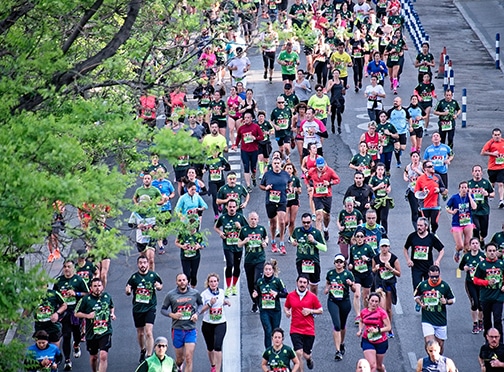
Many people come to us to get into shape for their health and appearance or as preparation for an undertaking like a 5K. Exercise plays a vital role in that preparation, and so does good nutrition. A healthy diet during training provides the nutrients to build muscles and the calories to help prevent running out of steam. It means balancing macronutrients and consuming approximately 2.5 grams of carbs and 0,5 grams of protein for every pound you weigh. Your body also needs healthy fat to improve recovery time and lower inflammation.
A well-balanced diet that meets the micro and macronutrient requirements is vital but pay special attention to ensuring you have three. Iron, calcium, and B vitamins are necessary. If you’re running frequently, you need to have more iron. It’s often lost during endurance exercises. You need calcium for bone health and muscle functioning. B vitamins help maintain your energy supply. Leafy greens and red meat can provide the iron. Dairy, bone broth, and leafy greens provide calcium. Nuts are a good source of B vitamins.
Most people inexperienced in racing may think a 5K will take hours. A 5K race is a little over three miles. The shortest average time is about a half hour for men in their 20s. The longest time is for women over 65. It’s a few seconds over 60 minutes. That’s only relevant if you’re talking about carbo-loading—eating a high amount of carbohydrates the morning of the race. You only carbo-load if you’re going to be running longer than 90 minutes, which is almost twice as long as the highest average time.
You don’t want to eat right before a race or you could get sick. Breakfast should be light. It shouldn’t contain foods that digest slowly like fiber or fats. Consuming carbs from sources with very little processing in a meal containing 200-300 calories should suffice. To keep from getting sick, besides avoiding fat and fiber, steer clear of spicy foods. If you don’t start the race until later in the day, follow the same guidelines for lunch or dinner.
For more information, contact us today at Prime Fitness Studio

I am confident my program will get you in the best shape of your life… I want to be completely satisfied with my program and I am confident that you will be. But to remove any doubt from you mind, I am offering you my money back guarantee which no other fitness training program can match. If within the first 3O days you are thoroughly convinced that my program is not worth every penny you invested, I will refund 100% of your money right on the spot. Fair enough.